POINT-OF-SALE SYSTEMS IN PAYMENTS EXPLAINED
Understand the function and role of point-of-sale systems in processing everyday payments.



What Is a Point-of-Sale System?
A point-of-sale (POS) system is the technology and software used by businesses to accept payments from customers at the time goods or services are purchased. It is where a transaction between a buyer and a seller occurs, typically at a retail store, restaurant, or service location.
Modern POS systems go beyond simple cash registers. Today, they integrate a combination of hardware (such as card readers, barcode scanners, receipt printers, and touchscreen monitors) and software solutions that help manage sales, inventory, customer data, and accounting processes.
Components of a POS System
- Hardware: Includes devices such as terminals, tablets, mobile readers, receipt printers, cash drawers, and scales.
- Software: Manages sales tracking, payment processing, inventory control, customer relationships, and staff management. Cloud-based POS systems store data online for remote access.
- Payment Integration: Connects to card processors and payment gateways to accept diverse payment methods including debit/credit cards, contactless cards, mobile wallets (like Apple Pay, Google Pay), and QR codes.
POS Use Cases in Business
POS systems are commonly deployed across various industries, including:
- Retail: Clothing shops, supermarkets, electronics stores use POS for barcode scanning, returns, and customer loyalty programs.
- Hospitality: Restaurants use POS to send orders to the kitchen, split bills, handle tips, and manage table services.
- Services: Hair salons, gyms, and repair centres utilise POS systems for appointment booking and in-person payments.
How POS Systems Facilitate Transactions
When a customer makes a purchase, the POS system calculates the total cost (including taxes and discounts), processes the payment, and issues a receipt. For card transactions, the process involves authentication, authorisation, and eventual fund settlement with the merchant’s account.
POS equipment, especially those with EMV or NFC capability, ensure transaction security through encryption protocols aligned with PCI DSS (Payment Card Industry Data Security Standard), minimising fraud risk.
Because they streamline operations and reduce manual errors, POS systems are vital tools for operational efficiency and customer satisfaction across sectors.

Understanding POS Payment Workflows
The functionality of a POS system is especially critical at the moment a transaction is initiated and completed. Here's how the payment workflow typically unfolds:
Step-by-Step POS Payment Process
- Item Scanning or Selection: Products are added to the virtual cart via barcode or digital selection on the POS terminal.
- Invoice Generation: The system calculates totals, including applicable discounts and taxes.
- Payment Method Selection: Customers choose a payment method—credit/debit card, cash, or digital wallet.
- Payment Authentication: For card payments, the card is inserted, swiped, or tapped. The POS communicates with the payment processor.
- Authorisation: The payment processor checks for sufficient funds and validates the transaction. This typically takes seconds.
- Transaction Confirmation: Once authorised, a receipt is issued, the transaction recorded, and stock levels updated in real time.
Security in POS Transactions
To protect payment data, POS systems must adhere to strict security protocols, primarily those defined by the Payment Card Industry Data Security Standard (PCI DSS). These security elements include:
- End-to-End Encryption: Ensures data is encrypted from the moment it's entered until it reaches the payment processor.
- Tokenisation: Sensitive information is substituted with unique tokens to prevent data breach exposure.
- EMV Compliance: POS terminals read smart chip cards to authenticate transactions and reduce counterfeit fraud.
- Firewalls and Anti-Malware: Software defences guard against unauthorised access to payment systems.
Contactless and Mobile POS
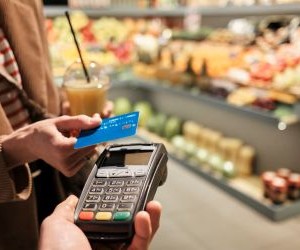
Contactless technology has reshaped how POS systems work. Near Field Communication (NFC) allows consumers to pay simply by tapping their card or mobile device. This form of payment reduces physical contact, speeds up transactions, and enhances hygiene and convenience.
Additionally, mobile POS (mPOS) technology enables businesses to use smartphones or tablets as terminals. Particularly useful for pop-up shops, delivery services, and events, mPOS offers mobility, cost savings, and flexibility without needing fixed checkout counters.
Challenges in POS Security
Despite advanced security measures, POS systems remain vulnerable if not properly maintained. Malwares such as POS RAM-scraping viruses can intercept card data if software and firmware are outdated. Regular updates, strong passwords, and compliance audits are critical protective steps.
Business owners must train staff continually and monitor transaction logs for unusual behaviour to quickly detect and respond to suspicious activities.
Advantages and Advancements in POS Technology
POS systems have evolved into powerful business tools offering far more than transactional capability. As consumer expectations and payment technologies advance, POS solutions now play a strategic role in business growth and customer experience.
Key Benefits of POS Systems
- Inventory Management: Real-time tracking of inventory helps avoid stockouts, reduce waste, and manage supplier orders efficiently.
- Sales Analytics: POS platforms provide dashboards and reports which help identify trends, best-selling products, and peak hours for smarter business decisions.
- Enhanced Customer Experience: Faster checkouts, customised promotions, and payment flexibility contribute to improved customer satisfaction.
- Employee Management: Business owners can monitor staff performance, clock-ins, and sales figures easily.
Omnichannel Integration
Modern retail requires synchronisation between in-store and online channels. Cloud-based POS systems can integrate with eCommerce platforms, allowing customers to order online and pick up in-store (BOPIS), or enabling loyalty rewards to be used interchangeably between digital and physical platforms.
Such integration ensures inventory alignment, unified customer data, and consistent branding across consumer touchpoints.
Future Trends in POS Technology
- AI-Driven Insights: Artificial intelligence is being embedded into POS systems to offer predictive analytics, upselling suggestions, and customer behaviour forecasts.
- Biometric Authentication: Face or fingerprint recognition is emerging as an alternative form of secure, password-free access to POS terminals and even transaction authorisation.
- Blockchain Integration: Although in early stages, blockchain could offer transparent, tamper-proof transaction logs and facilitate cryptocurrency payments via POS channels.
- Voice-Activated POS: Particularly in restaurants or service businesses, voice control technology is being explored to enhance order-taking speed and reduce physical inputs.
Sustainability and Cloud POS
As businesses focus more on environmental responsibility, paperless receipts, energy-efficient hardware, and cloud-based systems (that reduce energy-intensive on-site servers) are becoming standard features. This not only reduces costs, but also aligns businesses with ESG (Environmental, Social, and Governance) principles.
Ultimately, investing in a robust POS solution is about more than processing payments—it’s about building a modern, efficient, customer-centric business framework ready for future challenges.